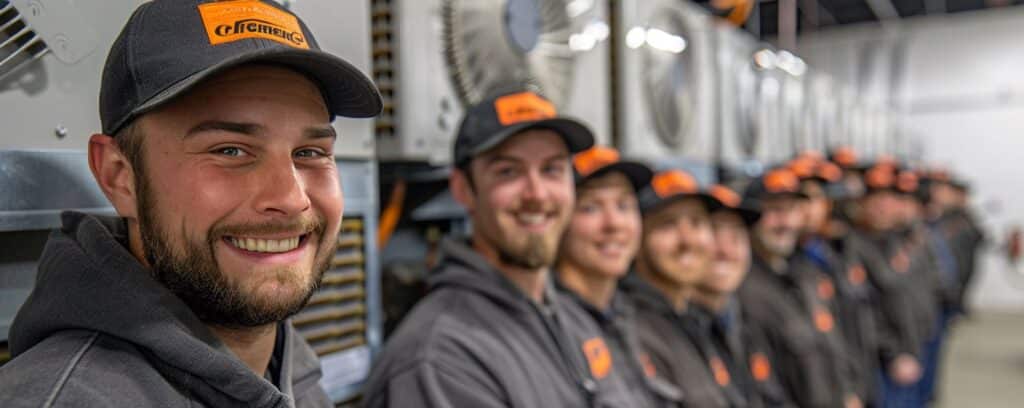

HVAC remains one of the fastest-growing skilled trades in the United States, with steady demand for technicians who understand heating, cooling, ventilation, and refrigeration systems across residential, commercial, and industrial settings. For many new technicians — including career changers, recent high school graduates, and tradespeople expanding their skills — HVAC certification programs are the most accessible and direct way to begin training for entry-level roles.
These certificate programs provide foundational technical knowledge, hands-on practice, and preparation for credentials such as EPA 608, helping students build competence and confidence before entering the workforce or pursuing an apprenticeship. This guide explains what HVAC certificate programs are, how they differ from apprenticeships, what to look for in a strong program, and where to find reputable options in 2026.
What Is an HVAC Certification Program?
An HVAC certification program is a short-term, skills-focused training option designed to prepare students for entry-level work in heating, ventilation, air conditioning, and refrigeration. Unlike a full associate degree, these programs concentrate on the essential technical competencies new technicians need, along with preparation for key industry credentials.
Most HVAC certification programs include:
- Instruction in heating and cooling systems
- Refrigeration fundamentals
- Electrical theory and equipment
- Air distribution and ductwork
- Tools, safety, and troubleshooting
- Preparation for EPA Section 608 certification
Students can expect formats ranging from full-time, intensive programs to part-time or evening tracks suited for working adults. Program length varies, but many certificates take six months to one year to complete.
Certification vs. Apprenticeship
While both pathways prepare students for HVAC careers, they serve different purposes:
- HVAC certification programs deliver structured classroom learning and hands-on labs, offering a faster entry point into the trade.
- Apprenticeships combine paid on-the-job training with formal instruction, usually over several years, and often require securing an employer sponsor.
Many students complete a certificate program first to build foundational skills and improve their chances of being hired into an apprenticeship.
Certification Exams and Career Readiness
A quality HVAC certificate program should help students understand the steps involved in getting an HVAC certification and prepare them for essential exams. Nearly all new technicians pursue EPA 608, and many later expand their credentials through options like NATE HVAC certification as they gain field experience.
In short, HVAC certificate programs provide the foundational knowledge, hands-on training, and credential preparation needed to begin a career in a high-demand skilled trade — with clear pathways for continued progression.
Types of HVAC Certificate Programs
Not all HVAC certification programs serve the same purpose. To choose the right option, it helps to understand how programs are structured and what level of training they provide. Grouping programs by type also prevents unfair comparisons between short introductory courses and comprehensive technician training.
Short-Term HVAC Certificates
Short-term certificate programs focus on foundational HVAC concepts and basic hands-on skills. These programs typically range from 6–12 weeks and are best suited for:
- Students exploring HVAC as a potential career
- Individuals seeking rapid entry into entry-level helper or apprentice roles
- Workers in related trades looking to add basic HVAC competencies
These programs may include EPA 608 preparation but generally do not provide the depth required for full technician responsibilities.
Full Technician HVAC Certificates
Full technician certificates deliver more comprehensive training, often lasting six months to one year. They cover:
- Heating and cooling system operation
- Electrical systems and controls
- Refrigeration cycles and troubleshooting
- Airflow measurement and duct design
- Safety procedures, tools, and diagnostics
These programs are better suited for students seeking job-ready skills and a more direct path into technician roles or apprenticeships.
Stackable Certificates
Some community colleges and technical schools offer stackable certificates, allowing students to build skills progressively. For example:
- HVAC Fundamentals
- Refrigeration Technician
- Residential HVAC Technician
- Commercial HVAC Technician
Stackable pathways are ideal for students planning to continue into an associate degree or specialize over time.
Understanding the differences between these program types will help you compare your options more effectively and choose a training path aligned with your experience level, goals, and timeline.
What to Look for in a Quality HVAC Certification Program
Choosing the right HVAC certification program means focusing on factors that directly influence your training, skill development, and job readiness. High-quality programs share several defining features, regardless of length or format.
Core Curriculum That Matches Industry Needs
A strong HVAC certificate program should offer well-rounded instruction in:
- Heating systems and furnace operation
- Refrigeration cycles and recovery
- Air conditioning and heat pump systems
- Airflow, duct design, and distribution
- Electrical fundamentals and control systems
- Workplace and equipment safety
This curriculum ensures students gain the technical foundation needed for both entry-level work and stackable certifications like EPA 608 or NATE.
Hands-On Learning and Lab Access
Hands-on practice is critical in HVAC training. Look for programs that provide:
- Fully equipped HVAC labs
- Opportunities to work with residential and commercial equipment
- Guided troubleshooting scenarios
- Practice recovering refrigerants and measuring airflow
Technicians learn best by doing, so robust lab time is one of the strongest indicators of program quality.
Accreditation: PAHRA and HVAC Excellence
Some HVAC certification programs choose to pursue additional programmatic accreditation through PAHRA or HVAC Excellence. These designations are not required for a program to be reputable, and many strong HVAC programs do not hold them. Instead, they function as optional quality markers that indicate a school has undergone a more detailed external review.
PAHRA and HVAC Excellence evaluate programs on:
- curriculum alignment with national HVAC competencies
- instructor qualifications
- quality and safety of labs and equipment
- overall instructional standards
For students, these accreditations can be helpful as an extra layer of assurance, especially when comparing programs. However, they are not prerequisites for becoming an HVAC technician, securing an apprenticeship, or earning required certifications like EPA 608. Most accredited community colleges and technical colleges already meet solid instructional and workforce expectations, with or without PAHRA or HVAC Excellence.
Employer Alignment and Job Placement Support
Good HVAC certification programs maintain strong ties to local employers and unions. Indicators of employer alignment include:
- Apprenticeship partnerships
- Career services or job placement assistance
- Employer advisory boards
- High job placement rates for graduates
Because HVAC is a hands-on trade, programs with strong industry connections often give students an advantage when starting their careers.
Best HVAC Certification Programs of 2026
Instead of ranking schools, our list highlights programs that illustrate the range of choices you’ll find: technical colleges offering fast, hands-on training; community colleges with stackable certificates; and regional programs known for employer alignment and instructional quality.
These ten examples reflect only a small portion of what’s available nationwide. For you, the “best” HVAC certification program will be the one that fits your goals — whether you want the fastest route into the field, the lowest cost, strong local employer connections, or a certificate that leads into an associate degree or apprenticeship.
The HVAC programs below represent strong, reputable certification pathways across the United States. Reviewing them can give you a better sense of what high-quality training looks like, the types of institutions that offer it, and the program features you may want to look for as you compare your options.
1. Texas State Technical College (TSTC)
A leading technical college offering HVAC Level 1 certificates with extensive hands-on lab work, EPA 608 preparation, and close relationships with regional employers.
2. Blackhawk Technical College – Wisconsin
Known for high-quality instruction and strong troubleshooting labs, Blackhawk prepares students for entry-level roles and EPA 608 certification.
3. Tennessee College of Applied Technology
Provides intensive, employer-driven HVAC/R certificate training with modern lab facilities and strong placement outcomes.
4. Dallas College (El Centro Campus) – Texas
Offers accessible HVAC technician certificates with extensive lab instruction and strong employer-supported training pathways across the Dallas–Fort Worth region.
5. Wake Technical Community College – North Carolina
Widely recognized for strong HVAC programs featuring multiple certificate tracks, employer partnerships, and well-equipped training labs.
6. College of DuPage – Illinois
Offers residential, commercial, and service technician certificates supported by advanced HVAC labs and deep engagement with local employers and unions.
7. Sinclair Community College – Ohio
Emphasizes applied HVAC instruction with certificate pathways designed around troubleshooting, controls, and refrigeration fundamentals.
8. Ivy Tech Community College – Indiana
A statewide system offering short-term HVAC certificates at multiple campuses, providing accessible, workforce-aligned training options.
9. Washtenaw Community College – Michigan
Features practical HVAC certificates built around hands-on labs, employer alignment, and clear pathways into associate-level HVAC/R programs.
10. Front Range Community College – Colorado
A strong regional provider of HVAC training offering certificate pathways with up-to-date labs and curriculum aligned with industry expectations.
Understanding HVAC Credentials and Career Pathways
Once you complete an HVAC certification program, you’ll encounter several industry credentials and training pathways that shape your early career. Understanding how certificates, certifications, and licenses fit together can help you decide what training you need now — and what steps to plan for later.
What HVAC Certificates Prepare You For
Most HVAC certificate programs are designed to prepare students for:
- EPA Section 608 Certification — required for anyone who handles refrigerants
- Entry-level HVAC helper, installer, or technician-in-training roles
- Continued learning through apprenticeships or advanced certificates
- Building core competencies in heating, cooling, ventilation, and refrigeration systems
A certificate is often your first formal credential in the field, giving you the technical foundation needed to begin hands-on HVAC work.
Industry Certifications: EPA 608, NATE, and Others
After completing a certificate program, many new technicians pursue additional certifications to improve employability:
- EPA Section 608: Mandatory for refrigerant handling and often included in HVAC coursework.
- NATE (North American Technician Excellence): An optional, nationally respected certification demonstrating advanced skill and experience.
- HVAC Excellence Certifications: Offer specialty credentialing in areas like gas heat, heat pumps, and commercial refrigeration.
Industry certifications validate your competencies and often help you qualify for higher-paying roles as you gain experience.
Licensure vs. Certification
Licensure requirements depend on the state. In some regions, technicians must obtain an HVAC or mechanical license after completing:
- Formal training
- A required number of supervised work hours
- A state exam
Certification, by contrast, is typically optional (except EPA 608) and demonstrates skill rather than legal permission to work.
Career Pathways After Completing an HVAC Certificate
HVAC certificate programs can open several training and career pathways:
- Entry-level HVAC employment to build experience
- Apprenticeships, which combine paid on-the-job training with structured coursework
- Associate degree programs that deepen technical and managerial skills
- Specialized certificates in commercial refrigeration, heat pumps, or building automation
- Long-term roles in installation, service, maintenance, or system design
Many technicians return to school later to expand their credentials or specialize as the industry evolves.
FAQ: HVAC Certification Programs
How long does an HVAC certification program take?
Program length varies widely depending on the type of training:
- Short-term certificates: 6–12 weeks
- Full technician certificates: 6 months to 1 year
- Stackable certificates: Completed over multiple terms, often while working
Longer programs typically provide deeper hands-on training and better preparation for entry-level technician roles.
What jobs can I get after earning an HVAC certificate?
Most graduates qualify for positions such as:
- HVAC helper or technician-in-training
- Residential or light commercial installer
- Refrigeration assistant
- Entry-level service technician
With additional experience or certifications (like EPA 608 or NATE), many technicians advance quickly into more specialized or higher-paying roles.
Are online HVAC certification programs available?
Some introductory HVAC courses are available online, especially theory-based instruction. However, high-quality HVAC certification programs require hands-on lab work, which cannot be replicated fully in an online environment. Many students choose hybrid programs that combine online theory with in-person labs.
What’s the difference between an HVAC certificate and an apprenticeship?
An HVAC certificate program teaches foundational skills through structured classroom and lab instruction.
An apprenticeship provides paid, on-the-job learning under the guidance of experienced technicians and typically lasts 3–5 years.
Many employers prefer candidates who complete a certificate first, as it builds essential skills before starting fieldwork.
How does career progression work in HVAC?
After earning a certificate and gaining field experience, technicians may:
- Obtain advanced certifications (NATE, HVAC Excellence)
- Move into senior technician or lead installer roles
- Specialize in commercial refrigeration, controls, or heat pumps
- Pursue an associate degree or technical management training
- Work toward supervisory, estimator, or project management positions
Career growth in HVAC is often fast and flexible, with many opportunities to continue learning and increasing earning potential.
Choosing the Right HVAC Certification Program for You
Finding the right HVAC certification program comes down to matching the depth of training, accreditation, and format to your goals. If you’re exploring the trade or need a fast start, a short-term certificate may be enough. If you want stronger job readiness and hands-on experience, look for full technician programs — especially those with PAHRA or HVAC Excellence accreditation. And if you’re aiming for long-term career growth, choose a program with clear pathways into apprenticeships, advanced certificates, or associate degrees.
The best HVAC certification programs balance skill-building, job readiness, and flexibility. As you compare your options, focus on programs that support your future plans, prepare you for required credentials, and give you the practical experience employers value.